


Your family has already arranged an urn niche, yet an older relative is asking about an ancestral tablet. Are these two names for the same thing, or two separate arrangements?
They serve different purposes. A niche physically accommodates an urn; an ancestral tablet commonly provides a focus for ancestral remembrance and related worship. Understanding the distinction is more useful than assuming both must be purchased together.
This guide explains common concepts for Malaysian Chinese families in Kluang and Johor. Wording, ceremonies and practices vary with family beliefs and the chosen venue.
What Is an Ancestral Tablet?
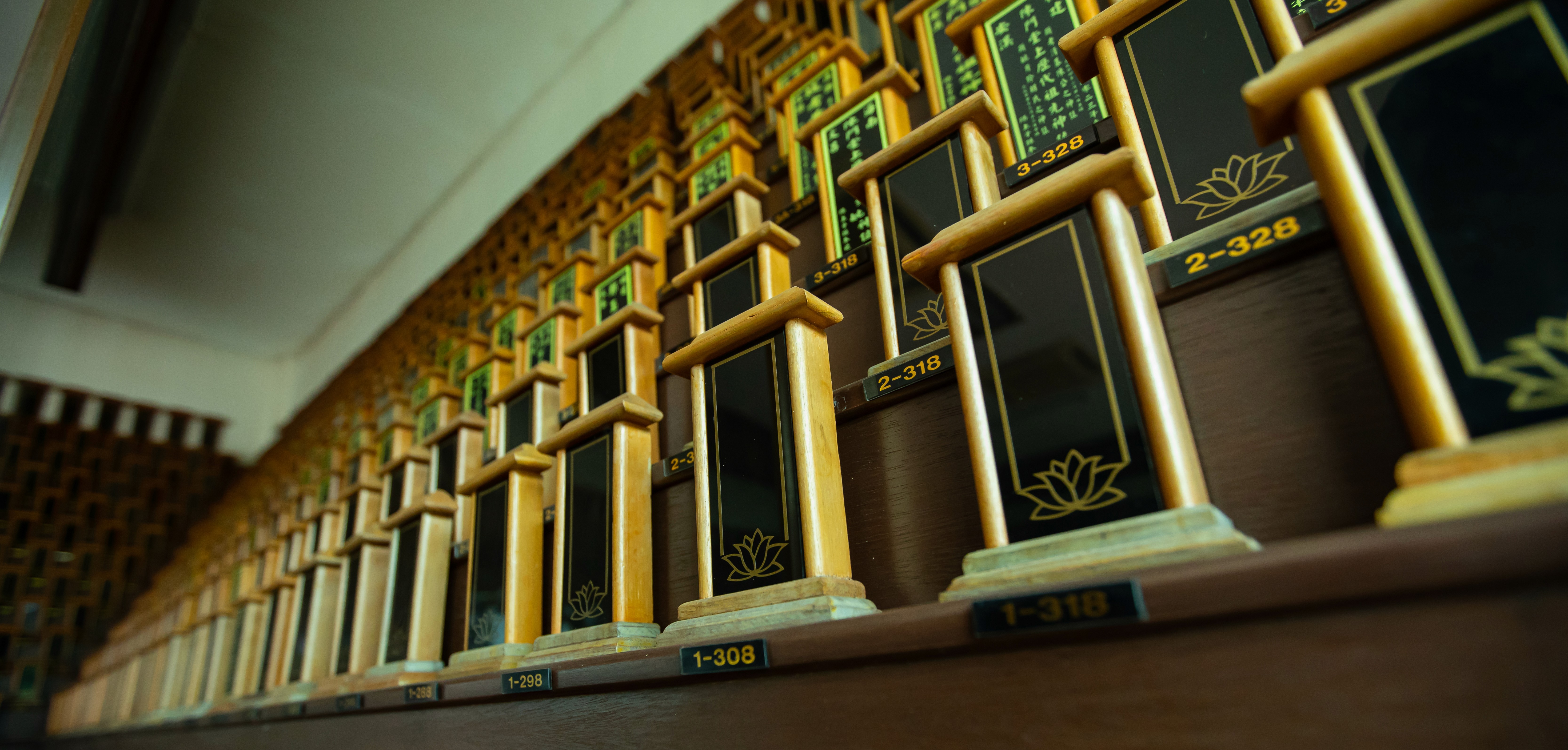
In some Chinese traditions, an ancestral tablet is a symbolic memorial associated with remembering forebears and continuing family worship. Its inscription and placement may depend on whom it commemorates, family practice and venue requirements.
It is not an urn container. Whether to establish one, where to place it and which form to choose are matters for informed family discussion. The arrangement should not be sold through promises of blessings, fortune or other guaranteed religious outcomes.
How Does It Differ From a Niche or Temporary Memorial?
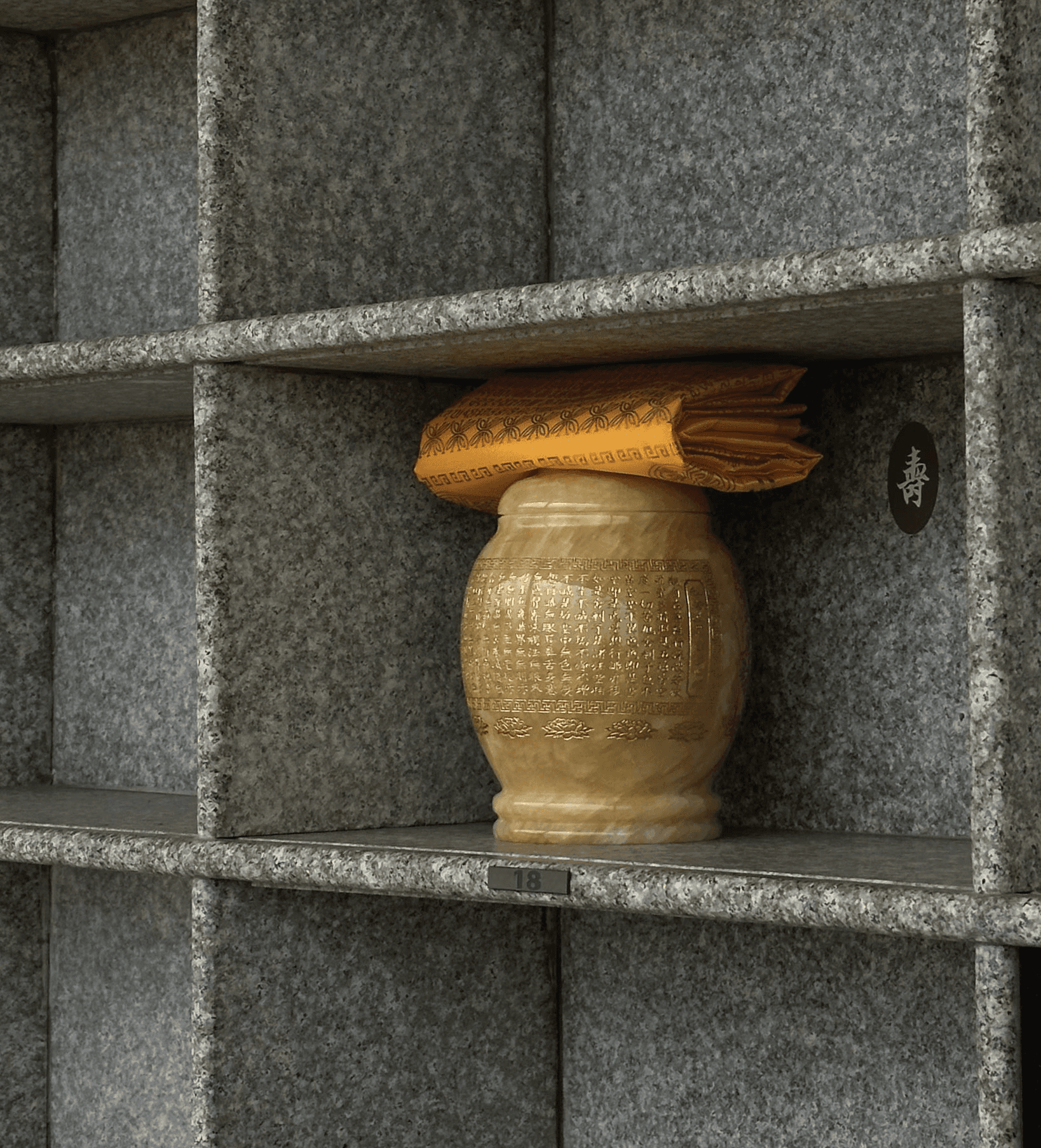
An urn niche concerns the physical placement of ashes, including dimensions, location and visits.
An ancestral tablet concerns the person or ancestors commemorated, the inscription and the family's remembrance practice.
A temporary memorial arrangement may serve a particular stage of remembrance. Its duration and subsequent handling need to be clarified separately.
MC Memorial Park's ancestral-tablet page lists Guang Zong and Si Chin Hall-related options, including a temporary remembrance purpose. Ask about the applicable category rather than inferring duration, price or service scope from a name alone.
Why Discuss Family Agreement First?
One relative may organise payment while another expects to make regular visits. Without discussion, they may understand the inscription, intended purpose or participation differently.
Agree on the remembrance practice the family wants, who is likely to visit and how different beliefs will be respected. Choosing not to adopt a particular form does not, by itself, indicate a lack of respect.
Five Steps Before Placement
1. Explain Whom and What the Arrangement Is For
Clarify whether the enquiry concerns an individual ancestor, broader ancestral remembrance or a temporary arrangement. Different purposes may lead to different options. A request for “a tablet” alone is not enough for a meaningful comparison.
2. Check the Inscription
Gather records that help verify the required wording. Ask a relative familiar with family names or forms of address to assist. Review the complete proof before production, rather than copying another family's inscription.
3. Confirm the Location and Terms
Ask about the position, usage arrangement, any duration, costs and future contact. Understand temporary and longer-term arrangements separately; similar names do not establish identical conditions.
4. Discuss the Ceremony and Participation
If a religious ceremony is requested, confirm the relevant personnel, content and venue rules. Where beliefs differ, discuss participation without expecting every relative to perform unfamiliar rites.
5. Plan Visits and Record-Keeping
Keep the location, access arrangements, offering rules, contact details and documents together. If relatives live outside Johor, appoint a coordinator while ensuring other trusted family members can find the information.
Four Useful Questions for a Consultation
“Is this temporary or longer-term?” “Which inscription details must we verify?” “Which parts of the ceremony are optional?” “Whom do we contact about future visits or changes to our details?”
Those questions help the adviser understand whether you need an explanation of purpose, help checking information or coordination of a specific arrangement.
Common Mistakes
Confusing a tablet with an urn niche.
Assuming every family must arrange one.
Approving production without checking the inscription proof.
Accepting religious guarantees instead of a clear service explanation.
Planning the placement day but not future visits or records.
Frequently Asked Questions
Do We Need a Tablet If We Already Have a Niche?
Do not treat it as an automatic requirement. Understand each purpose, then discuss the family's beliefs and remembrance needs.
Does an Ancestral Tablet Contain Ashes?
The term generally describes a focus for remembrance, not an urn container. Ask for a clear explanation if a particular product is described differently.
Does a Temporary Tablet Automatically Become a Long-Term Arrangement?
Do not assume that. Confirm the period, what happens afterwards and any subsequent choices before agreeing.
What If Younger Relatives Do Not Know the Traditional Wording?
Ask a knowledgeable family member to help and obtain the venue's required format. Check the proof together rather than guessing.
What If Some Relatives Do Not Take Part in Worship?
Discuss respectful participation and confirm any venue requirements. Different beliefs should be acknowledged without pressuring everyone to do the same thing.
Can We Visit Before Deciding?
Ask the team about a consultation or viewing. Clarify purpose, information and terms before deciding whether an arrangement fits the family.
Let the Arrangement Serve the Family's Remembrance
The discussion should return to how the family wants to remember its forebears. Clear agreement on the person commemorated, wording, location, ceremony and later visits makes the choice more meaningful.
To explore ancestral-tablet arrangements at MC Memorial Park in Kluang, explain whether you are asking about temporary remembrance or another placement option, then work through the relevant details with the team.
Related Reading and Services
For ancestral-tablet enquiries in Kluang, contact MC Memorial Park to discuss whom the arrangement commemorates and your family's remembrance needs.