



A Buddhist family arranging a farewell may have questions about the wake, chanting, visitors, the procession, cremation or burial, and later placement.
Buddhist practice is not uniform. Arrangements vary with tradition, temple, teacher, family custom and the deceased person's wishes. Use the following as a guide for discussion, and confirm the details with the religious adviser and funeral team.
Step 1: Establish Wishes and Family Needs
If the deceased wanted a Buddhist funeral, find out whether there was a particular temple, teacher or established practice they followed.
Discuss:
Has a teacher or chanting group already been contacted?
What kind of wake and farewell does the family want?
How many guests are expected?
Is cremation or burial being considered?
What is the budget, and where is assistance needed?
If relatives understand a custom differently, ask a religious adviser familiar with the family to explain it.
Step 2: Coordinate Transport and the Wake
After the hospital or responsible authority confirms handover can proceed, coordinate transport and the wake. Consider attendance, older relatives' mobility, parking and family rest needs when choosing a venue.
Some Buddhist families prefer a simple, dignified setting. Discuss any Buddha image, flowers, offerings or other items according to the family's beliefs and the teacher's guidance.
Step 3: Confirm Chanting and Visiting Times
If a teacher or chanting group is involved, confirm the dates, sessions, attendance and preparations. Tell visitors when to arrive and explain the relevant etiquette.
Participation differs between households. Guests unfamiliar with a rite can follow respectful onsite guidance rather than feeling they must already know every step.
Step 4: Confirm the Farewell, Procession and Later Placement
Before departure, confirm the meeting time, vehicles, ceremony sequence and documents the family should bring.
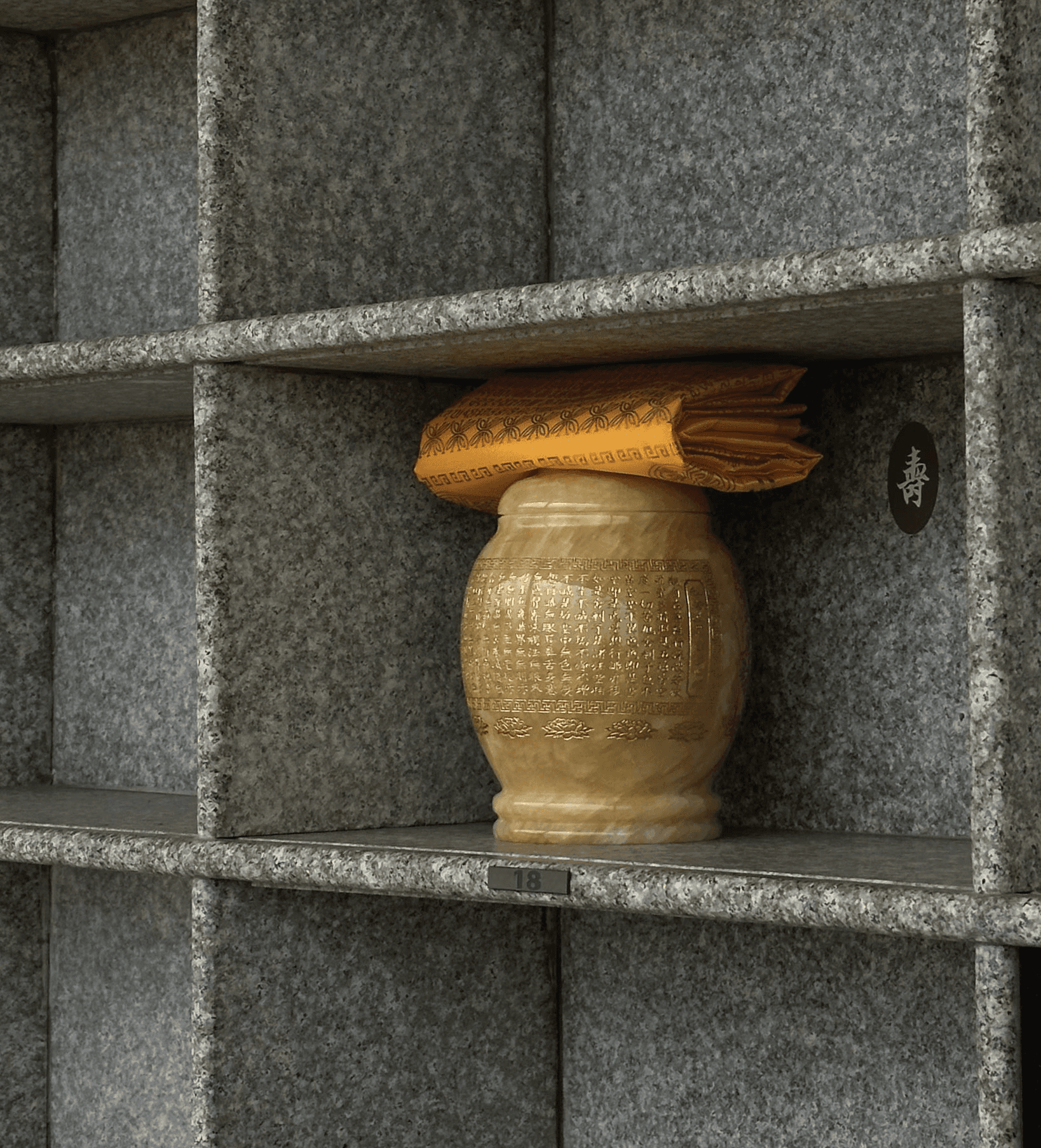
For cremation, discuss collection of the ashes, the urn and later placement beforehand. For burial, confirm the site and relevant procedures. Follow the responsible authorities' and venues' requirements.
Step 5: Discuss Remembrance After the Funeral
Some families observe seventh-day, 49-day, hundred-day or other occasions. Whether to hold them, their timing and their form should reflect family beliefs and the religious adviser's guidance.
Common Mistakes to Avoid
Do not confuse religious guidance with the service scope or assume later remembrance is included.
Frequently Asked Questions
Do all Buddhist funerals follow the same sequence?
Traditions, teachers and households differ. This guide is not a universal religious rule.
Who confirms chanting and dates?
Ask the family's teacher or temple about religious details, then coordinate timing with the funeral team.
What if guests do not know the rites?
They can ask and follow respectful guidance, with consideration for different beliefs and participation.
Does a Buddhist funeral necessarily mean cremation?
Do not apply one practice to every family. Discuss the intended arrangement with relatives and the relevant religious adviser.
Is 49-day remembrance automatically included?
No assumption should be made. Check dates, venue, religious personnel and applicable charges separately.
Related Reading and Services
For Buddhist funeral enquiries in Kluang, share your beliefs, religious contact and practical needs with MC Memorial Park. Confirm the service scope and follow your teacher's religious guidance.