



One relative wants to preserve a family tradition. Another is thinking about future visits. Someone else wants to compare costs. A discussion about burial and cremation can become difficult because family members are answering different questions.
Start with the deceased person's wishes, family beliefs and practical circumstances. For Malaysian Chinese families in Kluang and Johor, neither “more traditional” nor “more convenient” is enough to decide for everyone.
What Is the Main Difference?
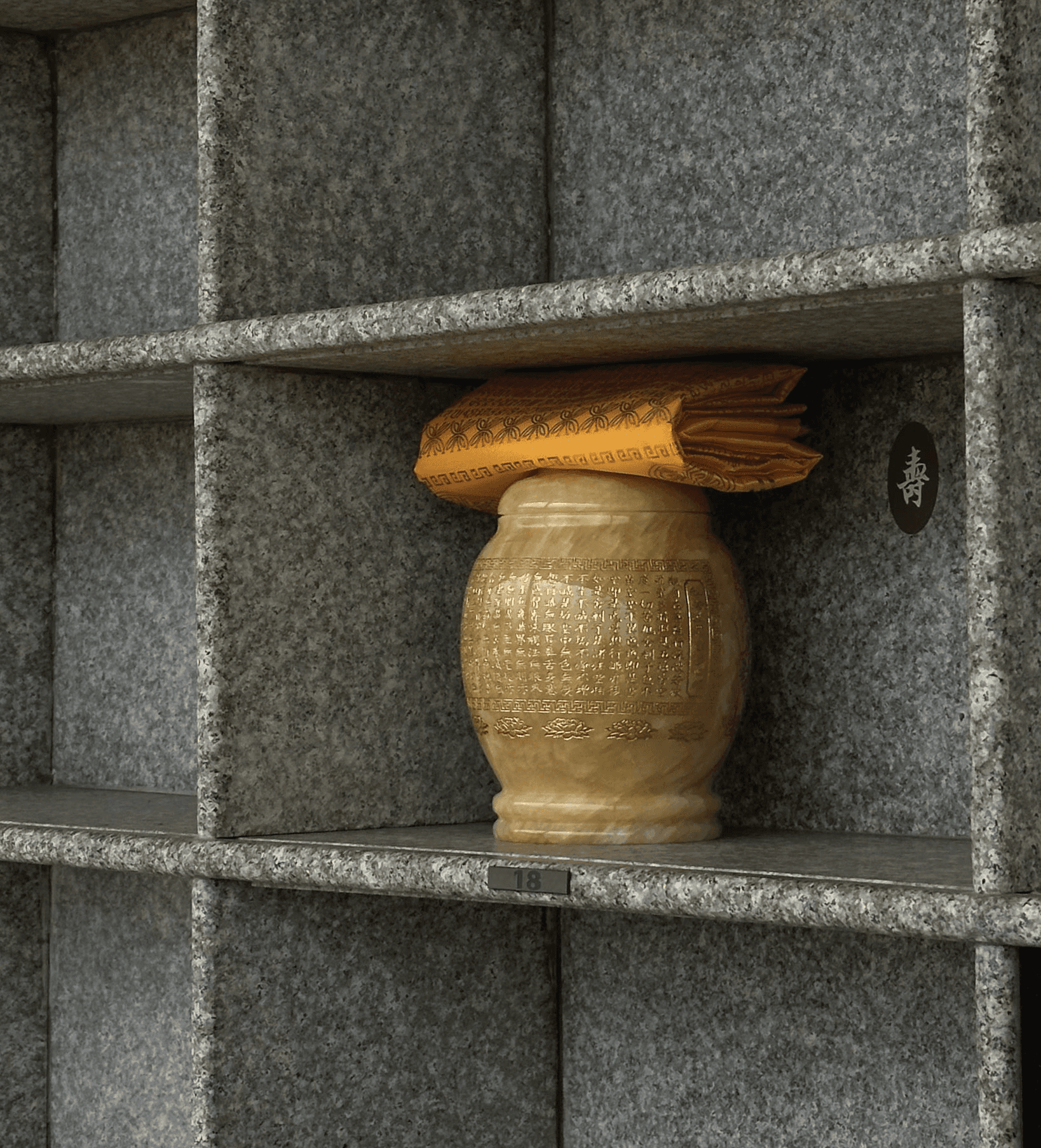
Burial involves a grave and interment arrangements. Cremation requires a subsequent decision about the ashes. A columbarium niche is one option; choosing cremation does not, by itself, settle that later arrangement.
Either route may involve a farewell and remembrance, with details determined by beliefs, venue requirements and the available services. This guide does not decide religious questions or suggest that one choice expresses greater respect.
Why Discuss Needs Before Comparing Packages?
Without shared expectations, more brochures can simply produce more disagreement. Establish what each person is concerned about before comparing proposals.
An older relative may value continuity with family practice, while adult children want to know how they will visit from outside Johor. Those concerns can be considered together rather than turned into a test of who cares more.
Five Questions to Work Through
1. Did the Deceased Express a Clear Preference?
Review existing family records and any specific conversations. Distinguish a clearly expressed wish from an assumption. If no preference was recorded, do not invent a “final request” to resolve the discussion.
Where accounts differ, ask each person to explain their understanding. Questions about the legal effect of documents or decision-making authority require appropriate advice, not a conclusion from a blog.
2. What Needs Clarification Within the Family's Beliefs?
Practices differ across religions and families, including within one household. Ask the relevant religious person to explain applicable arrangements and allow relatives to discuss how they can participate respectfully.
One person's familiar practice should not automatically become a requirement for everyone. Avoid unsupported promises about religious outcomes as a way to persuade the family.
3. Where Will the Final Placement Be?
For burial, confirm the plot and associated arrangements. For cremation, discuss where the ashes will be placed, whom to contact and what needs to be coordinated.
Families with relatives in Johor Bahru, Kuala Lumpur or Singapore can consider who returns to Kluang regularly, whether older relatives can travel comfortably and who will retain the location records. An attractive photograph does not answer all those practical questions.
4. Are You Comparing Complete Arrangements?
List transport, the wake, ceremony, burial or cremation, later placement and any ongoing care separately. Ask what each quotation covers.
Do not assume one route is always cheaper or that an unlisted item has been paid for. Explain the family's budget and ask which elements are necessary, adjustable or provided by another party.
5. How Will Future Remembrance Be Organised?
Who will coordinate Qingming or anniversary visits? Can relatives find the correct location? Who will check the venue's rules about offerings?
Keep the location, contacts, documents and family decisions together. The arrangement should not depend entirely on one person remembering every detail.
What If Relatives Disagree?
Ask each person for their most important concern before attempting a vote. Separate essential needs, preferences and facts still awaiting confirmation. Take the same list to the adviser so the family is working from the same information.
If time is limited, identify what must be decided immediately and ask which matters can be confirmed later. Do not assume every decision can be postponed indefinitely.
Common Mistakes
Treating cremation as the end of all placement decisions.
Treating burial as only a plot purchase.
Comparing price without matching the scope of arrangements.
Using another family's choice as a universal rule.
Equating a particular method or level of spending with filial respect.
Frequently Asked Questions
Must Cremated Ashes Be Placed in a Columbarium?
This guide discusses a columbarium as one option, not the only possible arrangement. Confirm any relevant permissions, venue rules or religious requirements for other proposals.
Is Burial Always More Expensive?
Do not decide from the label alone. Compare complete quotations, locations and subsequent arrangements.
Can We Hold a Farewell Before Deciding on Final Placement?
Ask the responsible team which decisions must be confirmed first and which may follow later. Do not assume the stages are entirely independent.
What If Family Members Have Different Beliefs?
Discuss what matters to each person and consult the relevant religious advisers. Participation should be considered respectfully, without pressuring someone into unfamiliar rites.
Who Decides If No Wishes Were Recorded?
Family discussion is helpful, but disputes or questions about authority require appropriate professional advice. This article does not determine legal decision-making rights.
Can We Ask About Both Options Before Choosing?
Yes. Request comparable descriptions of scope and outstanding questions rather than two totals without context.
Choose an Arrangement the Family Understands
Burial and cremation do not need to be discussed as competing measures of devotion. Clear wishes, beliefs, locations, costs and future visiting plans provide a more useful basis for agreement.
Related Reading and Services
MC Memorial Park's website lists burial and cremation-related funeral services. Families considering arrangements in Kluang can contact the team to discuss the relevant scope and subsequent placement questions.